
Charlie Crist once held court as a Republican darling. The Florida Governor’s name had been bandied about as a potential running mate for John McCain, 2012 and just a few months ago looked like a shoe-in for the party’s Senatorial nomination. Now he may run as an independent. The Crist situation illustrates what may be the end of incumbency as we know it, and the Democrats best take notice.
By the end of this week, Crist’s fate will have been decided. The Governor has confirmed reports that he may reject the Republican label and run as an independent, thanks in part to official opposition from his party peers and to a chummy appearance with President Obama last year, which conservative take as an act of betrayal. Rob Jesmer of the National Republican Senatorial Committee sent out a memo last week insisting that Crist’s friends must pressure him to exit the race.
“We believe there is zero chance Governor Crist continues running in the Republican primary,” explained Jesmer. “It’s our view that if Governor Crist believes he cannot win a primary then the proper course of action is he drop out of the race and wait for another day.” Challenger Marco Rubio, a newcomer who has tremendous Tea Party support, has now become the party’s Floridian poster boy and received endorsements from party power players like Dick Cheney, Mitt Romney and Dick Armey. Incumbents are far too unfashionable for official support.
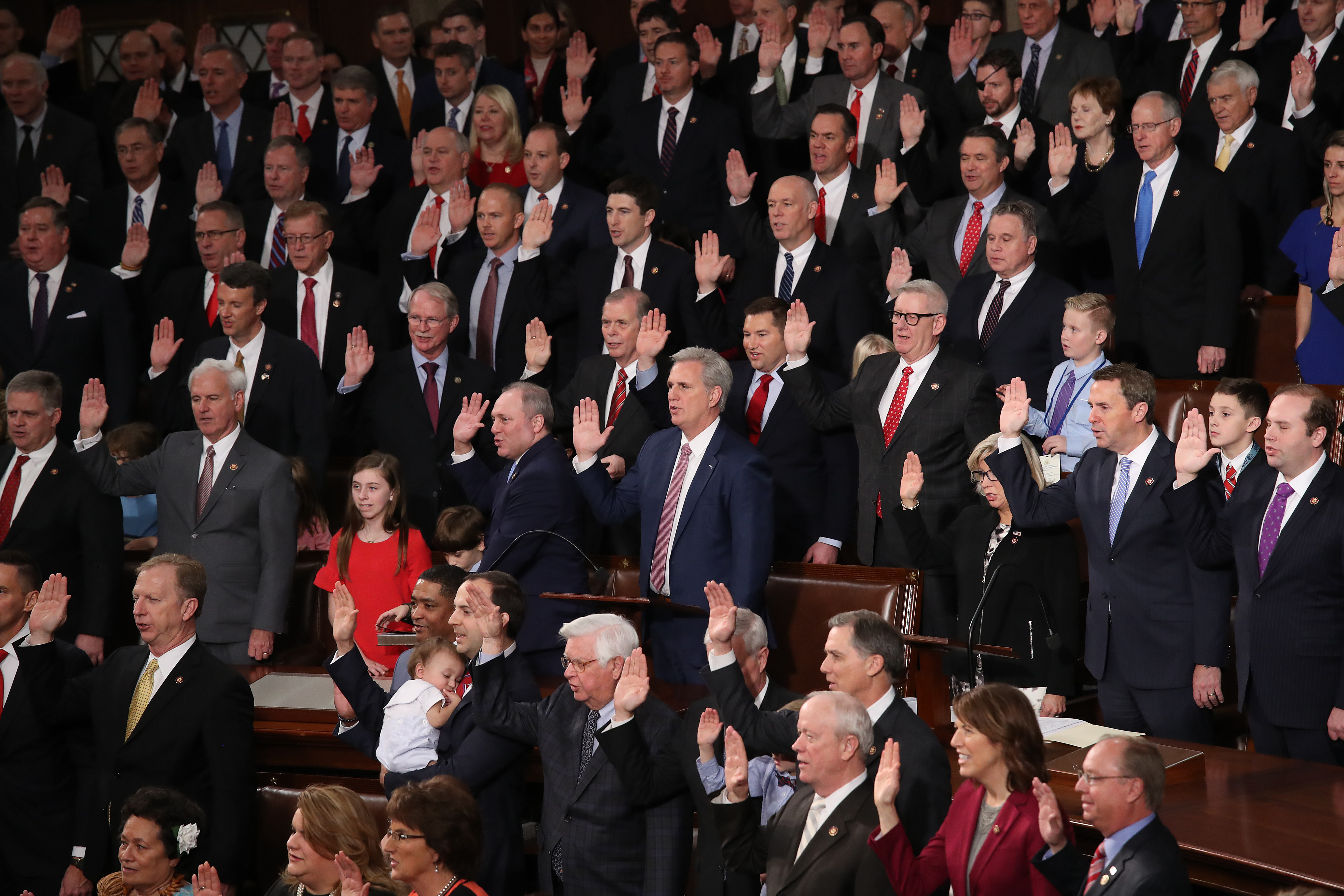
Democrats are rightfully wary of the anti-incumbent trend. Officials estimate the President’s party could lose as many as 30 House seats, while the Republicans are hoping to win 40. Though it’s traditional for the sitting president’s party to lose some seats, this year’s definitely unique. Long-serving lawmakers like Ike Skelton, who has been in office since 1977, are now facing challenges, a first for many. Yet, for some reason, the Democrats refuse to back freshman lawmakers.
During a recent conversation about Democrats for Life, Democratic Congressional Campaign Committee spokesman Ryan Rudominer told me that the party has no interest in straying from incumbents, “We are a member-based organization.” Democratically aligned groups, like the gay group Human Rights Campaign, also have rules that prefer incumbents to newcomers. If polls and public sentiment are to be believed, the Democrats are setting themselves up for disaster.
There’s no doubt Americans are distrustful of incumbent politicians these days. A Gallup Poll released earlier this month showed that only 28% of Americans believe incumbents deserve reelection. An astonishing 65% of registered voters believe that sitting Congressmen should be ousted. We haven’t seen numbers that low since 1994, when the Republicans launched their famous “Revolution” and claimed 54 seats, something they intend on doing come November. Democratic resistance to the anti-incumbency trend not only puts their party at risk, but also neglects a larger shift in how Americans perceive political leaders.
The word “incumbent” comes from the Latin incumbere, which means, “to lean upon.” Despite the 1994 election and a few sporadic newcomer wins, incumbents are often viewed as the safe choice, precisely because voters can “lean” upon them, someone familiar. Now the word “incumbent” seems to be more closely associated with a related term, “encumber,” meaning “to hinder” or “to burden with obligations.” Listening to Tea Party voters, who have helped Rubio, one often hears complaints of earmarks and how incumbents are beholden to big business. Even if that’s not always the case, men and women in office today are often overshadowed by wider perceptions about politicians. No longer does name recognition help seduce voters. As Rubio shows, the cult of personality around freshman lawmakers can trounce any record a lawmaker may have made, even if that lawmaker’s as popular as Crist once was. And it’s that fact that should have Democrats – and Crist – worried.