
On this storied holiday of 4/20, it’s a time for reflection. Personal reminiscences of old marijuana experiences and new ones perhaps. Public acknowledgement of the futility of prohibition, and the War on Drugs, in general. And, of course, recognizing the enemies and champions of marijuana legalization.
In June of 2011, Representatives Barney Frank (D-MA) and Ron Paul (R-TX) introduced the bill H.R. 2306 ” Ending Federal Marijuana Prohibition Act of 2011.” Now that’s bipartisanship, folks!
Almost immediately, Lamar Smith, a social conservative from Texas and chairman of the House Judiciary Committee, stated the bill would not be considered in committee. Which means that Smith unilaterally usurped the right of the people to have an honest and open debate on marijuana legalization. (Read more on Lamar Smith’s anti-marijuana stance.)
While Smith’s tyranny on the issue is typical of his brand of politics (he also created SOPA and is anti-immigration), let us not dwell on the negatives, but celebrate the positives.
Below are five champions of marijuana legalization, ranging from from former presidents to investors.
Jimmy Carter
Last year in a New York Times op-ed, former President Jimmy Carter, referencing a Global Commission on Drug Policy report, wrote that despite a four-decades long War on Drugs, “global consumption of opiates has increased 34.5 percent, cocaine 27 percent and cannabis 8.5 percent from 1998 to 2008.” Carter also agreed with the Commission’s recommendation that countries experiment “with models of legal regulation of drugs … that are designed to undermine the power of organized crime and safeguard the health and security of their citizens.” And to Carter’s credit, he recommended decriminalization of marijuana in a 1977 letter to Congress. Naturally, he was ignored.
Ron Paul
Mr. Paul is famously Libertarian. In his mind, the government should be nearly completely removed from Americans’ lives, unless its in matters of national defense (though he doesn’t approve of American hegemony) and reproductive rights. So it should come as no surprise that Paul is calling for the end of marijuan prohibition.
As Paul states:
removing it from the jurisdiction of the federal government and allowing the states to regulate it, like they would alcohol. And this seems to be strange for a lot of people, but I’m only going back to 1937 when that’s the way it was handled. The states always did this, and I’m motivated strongly also because the states legalize it for the use of medicinal purposes and it is helpful to people who have cancer or are getting chemotherapy. So this is not a huge radical idea, it’s something that was legal for a long, long time. And the war against marijuana causes so much hardship and accomplishes nothing. So I would say that marijuana, as far as causing highway problems, is miniscule compared to alcohol, and yet we knew prohibition of alcohol was very bad. So this is just getting back to a sensible position on how we handle difficult problems. And, for me, it should be the states.
George Soros
Soros might be the right wing’s boogeyman, but here is a multi-billionaire with a social conscience and a sense of reason. In 2010, Mr. Soros donated $1 million to California’s marijuana legislation ballot initiative, Proposition 19, observing that “The mere fact of its being on the ballot has elevated and legitimised public discourse about marijuana and marijuana policy in ways I could not have imagined a year ago.” Soros also donated approximately $3 million to help pass California’s medical marijuana laws in the ’90s.
Richard Lee
Richard Lee is one of the better known marijuana legalization activists, and recently suffered a raid from federal authorities on President Obama’s directive. Lee, like Soros, donated $1.5 million to California’s Proposition 19, which makes him quite a swell guy. Lee is also the founder of Oaksterdam University, which instructs students in matters marijuana, including economics, hortculture, legal issues, political history relating to prohibition, cannabis science and “Methods of Ingestion.”
Barney Frank
As noted above, Rep. Frank introduced H.R. 2306 “Ending Federal Marijuana Prohibition Act of 2011,” so he deserves a bit more attention. Another right wing boogeyman, Frank is no stranger to speaking his mind on all manner of issues. He may have had some denialism as to the solvency and sanity of Freddie Mac and Fannie Mae’s mortgage lending, but he deserves some courage for introducing H.R. 2306, which will surely be seen as a watershed moment when marijuana is legalized.
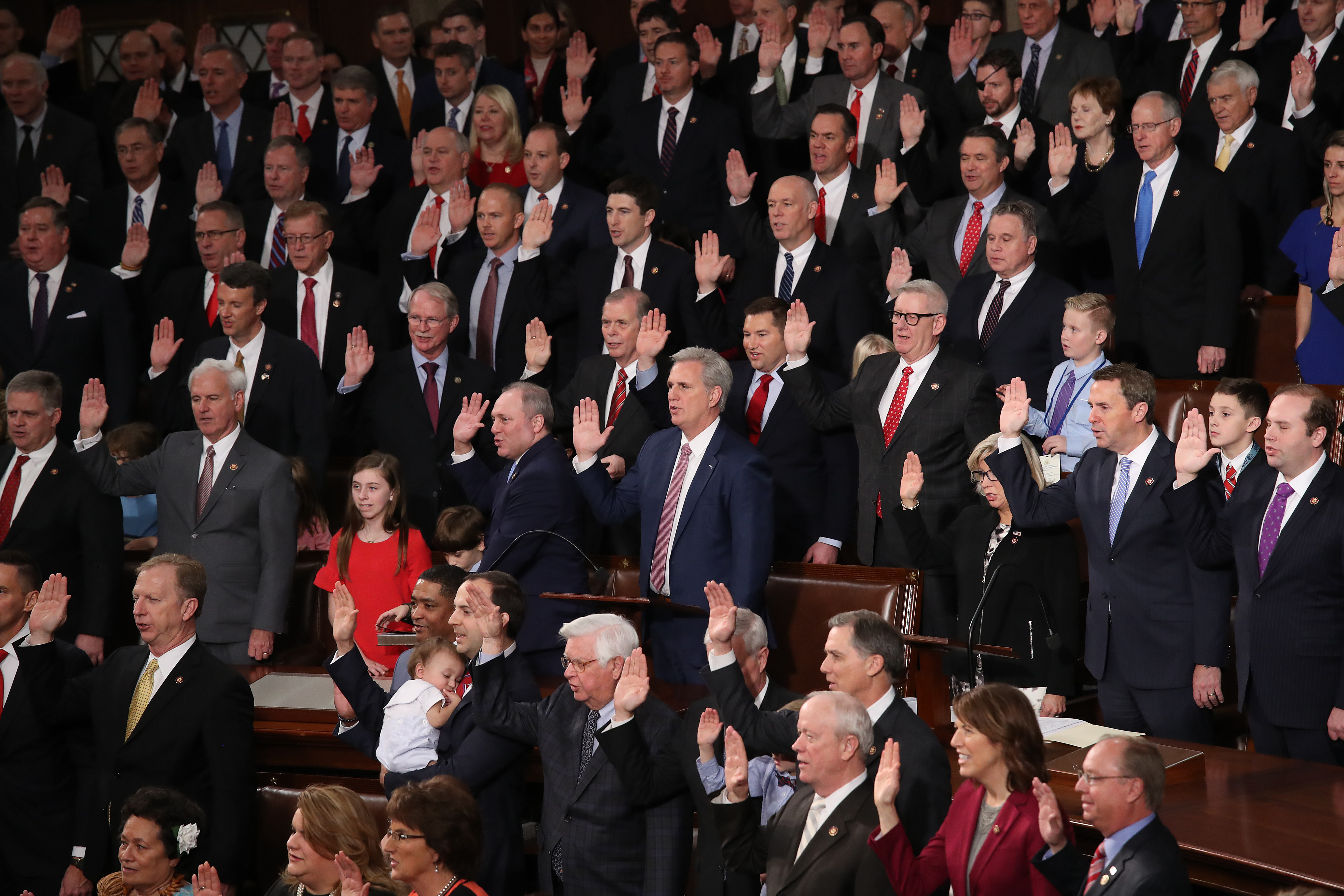
Below are H.R. 2306′s co-sponsors. Give them some love:
Rep. Earl Blumenauer [D, OR-3]
Rep. Michael Capuano [D, MA-8]
Rep. Steve Cohen [D, TN-9]
Rep. John Conyers [D, MI-14]
Rep. Sam Farr [D, CA-17]
Rep. Raul Grijalva [D, AZ-7]
Rep. Michael Honda [D, CA-15]
Rep. Dennis Kucinich [D, OH-10]
Rep. Barbara Lee [D, CA-9]
Rep. James McDermott [D, WA-7]
Rep. James Moran [D, VA-8]
Rep. Jerrold Nadler [D, NY-8]
Del. Eleanor Norton [D, DC-0]
Rep. Ronald Paul [R, TX-14]
Rep. Chellie Pingree [D, ME-1]
Rep. Jared Polis [D, CO-2]
Rep. Charles Rangel [D, NY-15]
Rep. Dana Rohrabacher [R, CA-46]
Rep. Janice Schakowsky [D, IL-9]
Rep. Fortney Stark [D, CA-13]


April 21, 2012 at 1:09 am, Kirk Muse said:
Is there any legitimate reason that a natural herb that has never killed anybody should be classified the same as heroin? I think not.
I know from personal experience that marijuana is a substitute for potentially deadly painkillers like Vicodin and is also a substitute for alcohol.
The pharmaceutical industry knows this and so does the alcohol industry. And this is probably why marijuana remains a criminalized substance.
April 21, 2012 at 1:05 pm, Malcolm Kyle said:
When governments prohibit drugs they effectively and knowingly hand a monopoly on their sale to dangerous criminals and terrorists. Without a legal framework in which to operate, these black-market entities can always be expected to settle their disputes violently, while terrorizing many peaceful and innocent citizens in the process. Were the users of alcohol to blame for the St Valentines massacre in 1929? Of course not! It is just as naive to assume that one can compel all the users of Marijuana or Cocaine to simply quit, as it is to assume that all the users of Alcohol should have stopped drinking after the introduction of alcohol prohibition in 1919.
Nobody can be expected to obey bad laws, like ones that infringe on logic as well as the fundamental right to decide on what medicine or poison an individual adult may, or may not, ingest. The violence and the deaths ultimately arising from such bad public policy should always rest squarely on the shoulders of those ignorant imbeciles who are responsible for implementing and supporting such foolishness.
If you support prohibition then you support bank-rolling criminals and terrorists. There's simply no other logical way of looking at it.
June 19, 2012 at 3:36 pm, Valerie Head said:
Very, very well said.
April 23, 2012 at 1:54 am, Marty Kirby said:
The most dangerous thing about using weed is buying it in shady drug deals… and that is our government's fault. Alowing us to grow it or buying it from a legitimate vendor, would be an obvious effort to increase public safety. In fact, if it wasn't for the politicians and elitist bible thumpers, it would be growing on the roadside like the weed that it is. On another note, when is the government going to regulate all these depressions drugs that will "make you feel good" but may kill you in the process? Isn't that what Marijuana does without the death side effect?
May 14, 2012 at 9:15 pm, Bernard Lucas said:
This is the Repeal of Prohibition bill. H.R. 2306 ” Ending Federal Marijuana Prohibition Act of 2011.” Its not a legalization bill as stated in the title of this article. To learn more about the Repeal Prohibition movement check out our website. http://www.americansforcannabis.com
September 05, 2012 at 6:00 pm, With Ron Paul and Barney Frank retiring, who will lead pro-marijuana bill? | Death and Taxes said:
[...] Barney Frank retiring, who will lead pro-marijuana bill? By DJ Pangburn 1 min agoRepresentatives Ron Paul and Barney Frank couldn’t be more disparate in their political views. One is fervently libertarian and [...]