
Music

Against Me!’s Teenage Anarchist: All Grown Up and Getting Paid

Against Me! may have been quiet in their attack, but the band is back in a major way. Just don’t tell that to Tom Gabel.

When I meet up with Tom Gabel, we’re sitting in the catering tent surrounded by band trailers at the Williamsburg Waterfront. The Silversun Pickups are sound checking on the enormous stage behind us, which faces outward towards the City and an almost pretty East River.

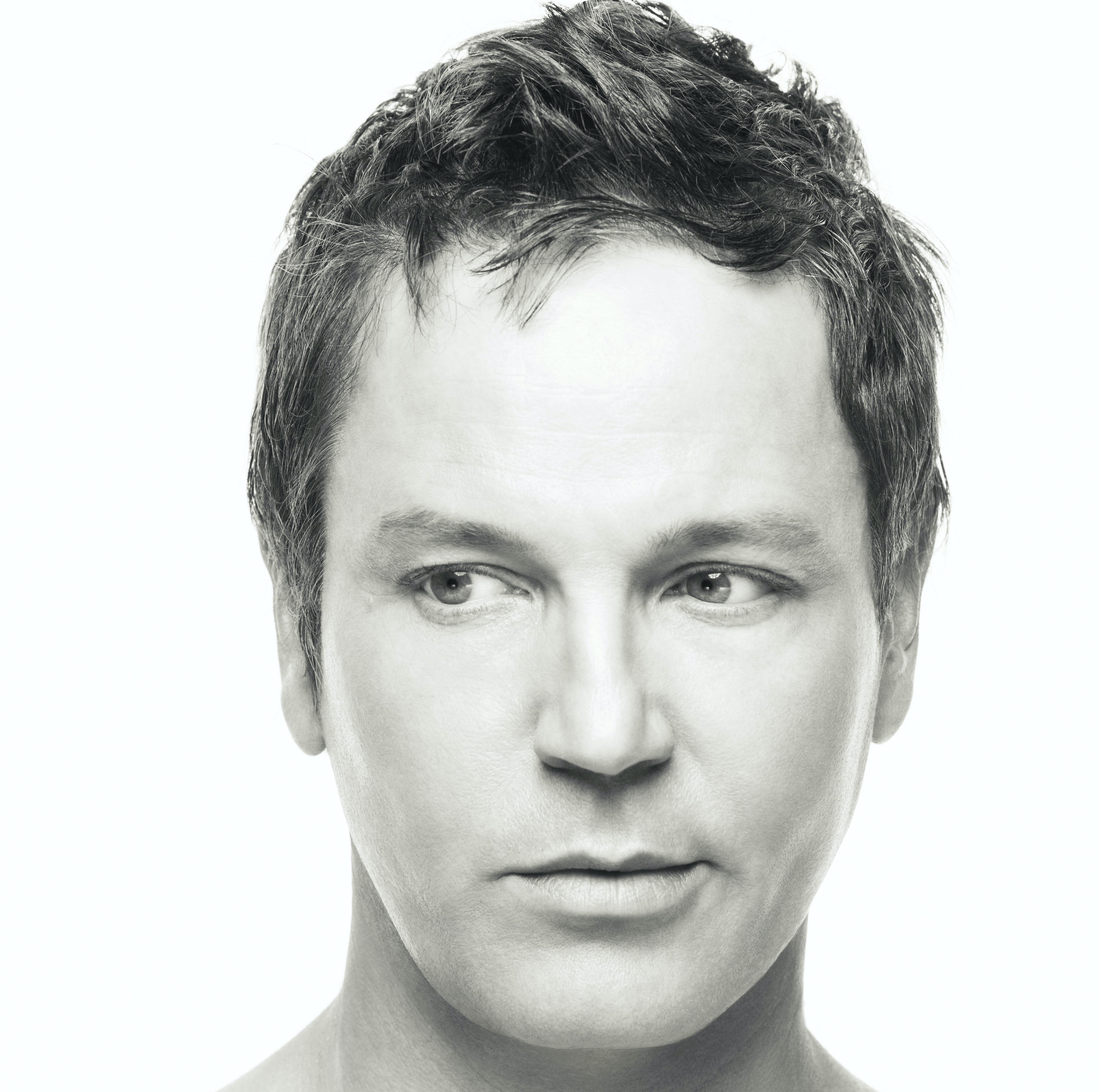
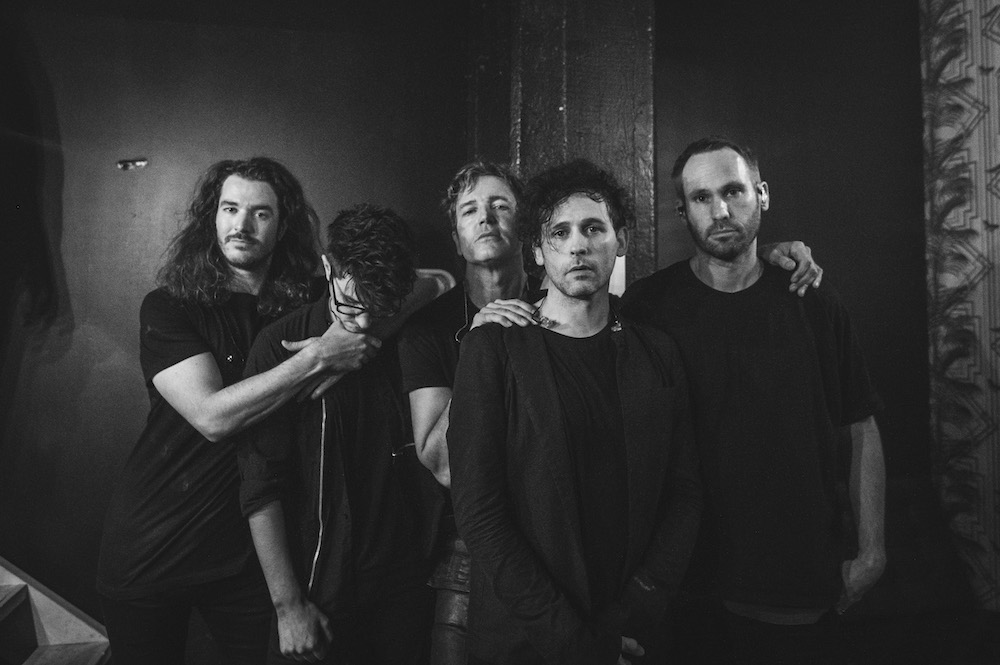
Gabel and his band Against Me! have come a long way since their early Gainesville days, signing to a major, playing festivals from Bonnaroo to Leeds and only switching drummers twice on the 13-year ride. Gabel may not have lost his boyish charm or that penchant for performing in all black, but at 30 years old, he’s now a father and a newly anointed citizen of L.A. That he also finds himself in the hot seat quite a bit these days is no surprise, as is often the case when you’ve gone from basements to best album of the year.


Is it a different feel playing a Bonnaroo vs. a [Williamsburg Waterfront] show? Do you play a different lineup of songs?
I think one thing we noticed the first couple of shows into this tour is that it wasn’t really our crowd, and when you’re playing to people where everything’s new to them, it kind of frees you up to do whatever you want, as opposed to playing a crowd that’s specifically yours so you know they want to hear certain songs.

Did you think coming in that you would be faced with a crowd like that?
Yes and no. You always kind of wait and see, but I knew that the ticket prices were kind of high on this tour, so I know that our fans in general usually won’t pay that much.

So was a $40 ticket something that made you reconsider the tour?
It’s something that you try and take into consideration, and what it really comes down to is that if I didn’t feel that the value was there than I wouldn’t want to do it. But I think that it’s a worthwhile lineup.

Do you think it’s turning fans against you that you might have held onto otherwise?
Well I hope that the fans are understanding in that I don’t expect our fans to come out to this show. We were just looking to play for another band’s audience; they asked us out on this tour and it’s a compliment to be asked on it. But we’ll come back around on our tour, and if someone doesn’t want to come see us on this tour, they don’t have to.

White Crosses has a much different sound than your previous albums, so I’m curious what your influences were this time around?
I think Florida was a big influence. It’s been awhile since we’ve had the luxury of not being on the road while working on a record, so we took some time off from touring and had lives for a second there and were living in Florida at the time. I’ve always found that my surroundings play into what I’m writing about.

And do you still feel connected to Gainesville?
Not really. It’s weird, I don’t know if you’ve ever lived in a college town, but it’s a high turnover rate of people. Every August you have a lot of people coming to town and at the end of every school year a lot of people leave. So when you have that already happening and you leave for months on end touring, you fall out of the loop pretty quickly. I have a couple friends who still live there but not many people anymore.

Do you still live in Florida?
I’ve been living in Los Angeles for the last year.

Do you like L.A. better than Florida?
I think there are things to be said for it. There’s definitely better vegan food—better food in general. I don’t like how expensive it is. But there’s really good people there and a lot going on.

Do you still feel people are accepting of you when you play shows in Gainesville? I feel like there was a break within your fans after a certain point.
It’s all media lies [laughing].

You think so? You don’t think there was ever a point where people got angry?
I think a little bit, maybe, sure, but I think a lot of it’s just a perpetuated thing with interviews and stuff like that.

That’s an interesting take on it.
Just like at the same time I think people have a perception that we’re a lot bigger of a band than we are.

It’s interesting, because I don’t think of you as that huge either, but then you look at Spin’s selection of 2007′s New Wave as best album of the year…
No I know, but that again plays into a perception thing which isn’t necessarily grounded in reality. I mean sure, there’s definitely people who have been fans of us that have taken issue with choices we’ve made, but I think it’s definitely something that’s perpetuated with interviews.

So you never felt that anger from fans?
No, there have definitely been fans we’ve lost over the years. But I think that’s natural for any band, especially a band that sticks together for more than two or three records. We’re on our fifth full length; I’ve been doing this since 1997—half the people that were into punk rock when I was doing this in ’97 are all working day jobs not having anything to do with the music scene in general.

So if you’re playing “Baby I’m an Anarchist” in the same lineup as “I was a Teenage Anarchist,” is that supposed to be ironic? Do you take back those songs?
I think it’s important to note that they’re written from different perspectives. The song “I was a Teenage Anarchist” is a metaphor. [“Baby I’m an Anarchist”] was written between me and two other friends, and we wrote it right after the WTO riots in ’99 in Seattle, and we were trying to write a song that illustrated the point that during those riots, the Left Wing movement was more than willing to utilize the anarchist movement as far as numbers to support their causes, but when it came down to the anarchists doing property destruction and stuff like that, they were really quick to disassociate themselves. So we said Let’s write a song where it’s a narrative between a guy and a girl—that kind of relationship about this idea. Whereas “I Was a Teenage Anarchist” is coming from more of an autobiographical background in that sense. But I think there are unfortunately only two songs that mention anarchism in them to draw on, so those are the only two allusions you can draw between them, as opposed to if there were 15 other songs that had to do with anarchism.

Although not just anarchism, I mean “Reinventing Axl Rose” the song—playing basement shows—people listen to that and then get mad you’re playing a $40 show now.
But there’s not a lot of leeway given. I feel like people grasp on to that song and just take the lines they want to really shove into my face. Breaking down the song it’s, “We want a band that plays loud and hard every night.” It’s saying we want a band like that, and you know what? We’ve done our fucking best to be a band that plays loud and hard every night. We play over 200 shows a year. “They would ask for nothing more than a place to sleep and a place to rest.” Well, in theory that’s a really nice sentiment, but when it comes down to it, “something to eat and a place to rest?” That’s not realistic on this level. We got lucky in the sense that people liked our band and they wanted to come see us. So a show like tonight where there’s 5000 people coming, how do you adapt the politics of that song to a crowd of that size? Are 5000 people just supposed to bring us food and let us go back to their house and sleep—or can everyone just collectively pool their money and buy us something to eat and give us a place to sleep? [laughs]. Because that’s what’s happening, you know?

So because you got bigger as a band and were afforded the opportunity to play a show with $40 tickets in front of 5000 people, that song can’t be applicable anymore?
No, how do you adapt the politics of that song to the realities of the situation? Because you’re assuming too with that song that it’s just a band, whereas we have more people who work for us on tour then the actual band. So how do you incorporate them into that song? What about their families? What about their rents? How do you expand that song into an actual lifestyle? Or is it just sloganeering and no real thought to it?

I want people to come to our shows. I want them to feel more than welcome, more than comfortable, regardless of their age, their sex, their class, their anything. If someone was out front of the show saying, “Hey man, I’m broke. Can you get me in?” We’d give away every single spot we have allotted on our guest list. If they were out of spots, I would do my best to sneak them in. I don’t want anyone to ever feel like they’re not allowed to come to our shows, and that’s been something we’ve always made a real effort at. But at the same time, there is definitely an economics to everything, and that has to be a reality that isn’t ignored but confronted.

You’re justifying playing really expensive shows on this tour because you’re going to come back around?
Well, we’re not setting the ticket price on this tour.

Well, of course not, but you’re choosing to go on tour with a band that will play shows with this high of a price.
I’m a fan of their band. Yes. I don’t think it would be right for us to come into someone’s house and tell them how to decorate their house. So it’s not right for us to be invited on a tour and tell them how they should do their thing.

Do you keep in touch with Kevin [Mahon, Against Me!’s original drummer]?
Yeah, I was actually texting with him earlier today; I think he’s going to try and come down to the show.

Have you seen Forgetters yet (Mahon’s current band)?
I haven’t, no, unfortunately. When they were in Florida on tour I was not there. I’ve heard them.

That’s an example of someone who’s still involved in music on a smaller level and still playing good shows with good bands that are affordable.
At the same time, Kevin called me up last week and I had to lend him a thousand dollars. [laughing] And that’s what has to do with people’s perception of the way things are as opposed to the way things really are.

Photos by Autumn de Wilde

  1. July 08, 2010 at 12:20 pm, mike sheffield likes dispelled rumors said:

    shannon for the win.

    Reply

Add New Comment

Showing 0 comments
Subscribe by RSS