
The controversial FDA Food Modernization Act (S. 510) passed the Senate today and will regulate everything from small farms to farmers markets.
The FDA will now have unprecedented control over the growing and selling of food within the United States. Yes, the very same FDA that already allows thousands upon thousands of unhealthy, mass-produced food products to flood supermarkets and into the hungry bellies of schoolchildren and adults every day.
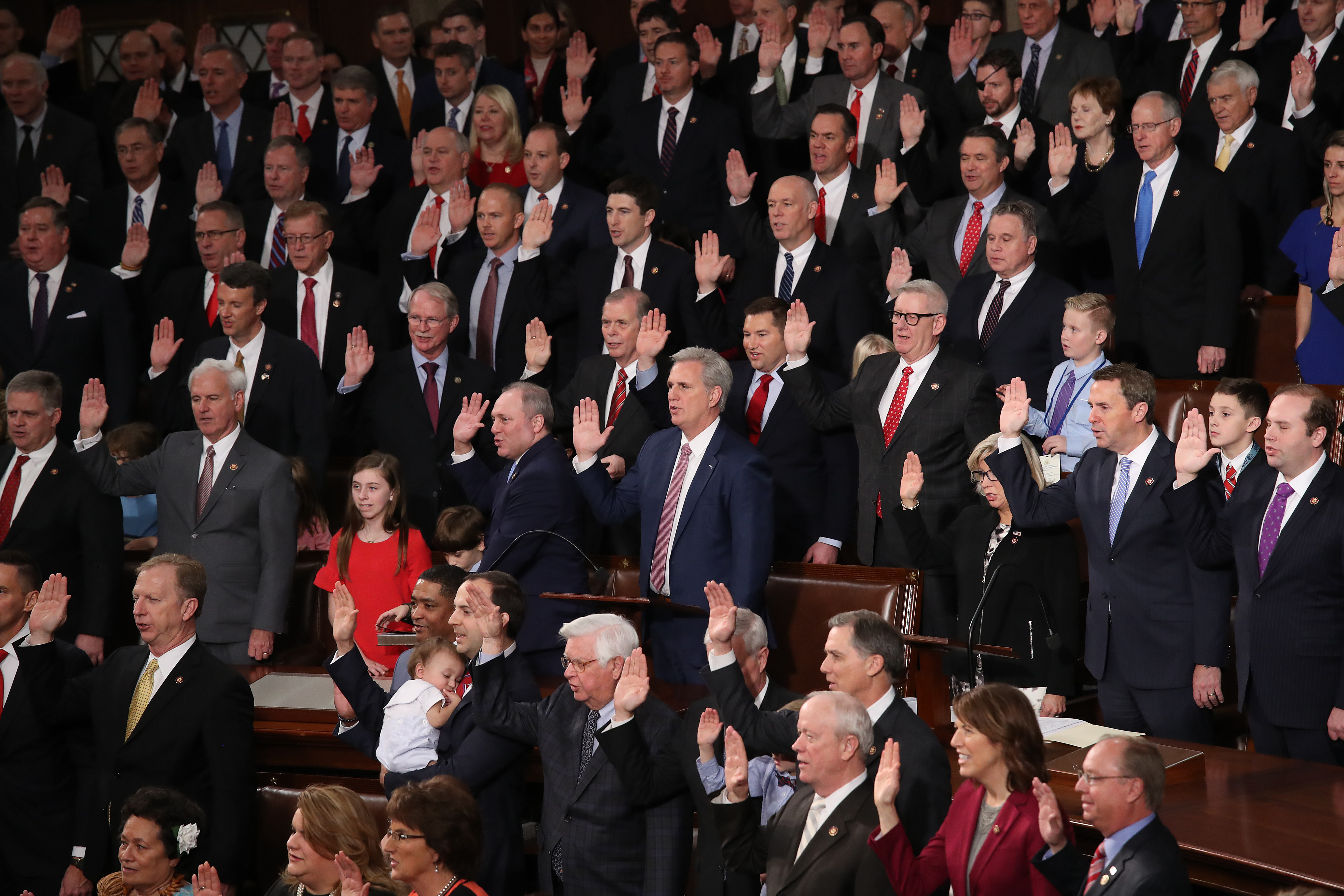
S. 510 passed the Senate by a vote of 73 yeas and 25 nays. It now heads to President Obama’s desk for approval. What can Americans expect from the new FDA powers in the short term before we proceed to a Soylent Green world? Let’s take a look.
Basically, the bill was envisioned as a more efficient way of tracking contaminated food (which the officials believe might be a future method of terrorism), so that any food item grown and packaged in California, for example, and ending up in another state can be better contained, preventing “adverse health consequences or death to humans or animals” (Sec. 101 and 102). However, while surface level this seems advantageous for everyone, complying with federal regulations might be costly for small farms, particularly those struggling to stay competitive in the market, or suppliers of food to farmer’s markets.
The worry amongst many Americans is that the federal regulations will put the small farms and farmer’s markets out of business, and let corporate food manufacturers like Monsanto (which holds patents on foods) gain tighter control over the food supply. Other businesses like Nestlé, ADM, ConAgra, Bunge, Cargill, and Pioneer Hybrids (the largest U.S. seed company), to name but a few, would also benefit from this legislation.
For instance, facilities will have to comply with new regulations, and this might require certain businesses to spend money (in a crippled economy) on facilities renovation. This might, in turn, cause businesses to shutter their doors.
Many also worry that these regulations and the involvement of the Department of Homeland Security in this legislation will allow the government to pursue and prosecute anyone growing food in a time of national emergency, effectively giving the government control over food. Conspiracy theorists equate the legislation with an apocalyptic vision of the U.S. government rationing and/or denying food to Americans.
It does seem unlikely that the new FDA regulations will wipe out farmers markets and prohibit human beings from growing their own food. And in the event of a national emergency, it also seems unlikely that the government will have the manpower to stop people from growing and gathering their own food. Advice to the conspiracy theorists: buy seeds from local farmers for a variety of fruits and vegetables and hoard them like pack rats.
That said, this legislation does not seem urgent or necessary in the final analysis. But, if Americans want to send a message to the government about S. 510, buy locally. Get to know the farmers and other food suppliers in your area.
And another solution is for Americans to invest in creating their own gardens or joining local food collectives and co-ops.
Make Monsanto and other multinationals irrelevant.


December 01, 2010 at 8:34 pm, coolie said:
Behind every government regulation is an army of corporate lobbyists. No doubt, the large corporations you mention had a say in how the legislation was written, and what its effects will be. And I think your intuition is correct, that small farms will be disproportionately burdened by the regulation, while the larger corporations will have the cash to make investments in retrofitting facilities or constructing new ones. Additionally, these small farms will have to invest considerable time researching the legislation so they can properly comply, or spend money on a lawyer to do so, while Nestle has an army of lawyers on retainer.
From what I understand, they included a provision to exempt farms that sell less than $500,000 worth of food per year, but this really doesn't seem like a whole lot. For instance, based on 2001 numbers, a Romaine lettuce farmer averaged about 31,000 pounds of lettuce per acre. At market prices in that year, that means that the average acre yielded $7,843 worth of produce. That means a farm 64 acres or larger, with specs similar (although I imagine that lettuce prices have gone up, and that smaller farms sell it for more (although possibly with less yield) would be selling more than $500,000 of produce. 64 acres is equivalent to .1 sq. miles.
You have to wonder if that number has any scientific or economic merit, or if $500,000 was just a number picked at random so they could say, well, at least the REALLY small farms are protected.
I used to be extremely liberal, now I am extremely libertarian. One of the reasons why is that the more power the government has, the more of a stake corporations have in it, and the greater incentive they have to lobby, spend on campaigns, etc. When the only companies with the resources to send lobbyists to Washington, and thus have real influence on policy, are large corporations, who do you think the winners winners and losers will be?
When the government is responsible for who wins and loses in the economy (see GM or Bank of America), the American people will rarely (if ever) be on the winning side.
December 02, 2010 at 12:02 am, Adam said:
But… as a farm devoted solely to the production and harvest of a a crop and/or livestock, your example would be exempt from registering as a facility. There are over two million farms in the US, but this bill only covers the 160,000 or so food facilities that process the food from several farms. Those and the ones overseas.
December 02, 2010 at 1:19 am, handsoffmyhealth said:
The FDA calls all farmers “producers” and their farms “facilities”. Yes, they will ONLY go after the small farmer because it is easy and they can't fight back.Examples abound. The FDA is corrupt and owned by Big Pharma and Big Agra
December 01, 2010 at 10:47 pm, Damon Williams said:
I'm with Coolie-This started off as regulation for large food corporations, that run mega-cattle farms, that create toxic run-off from corn fed cows. It was meant to stop e-coli in fresh vegetables that are grown near these operations, but it seems law makers…our elected law makers… turned this initiative into a way of padding more money into the pockets of folks only interested in feeding us stuff to keep us fat, diabetic, hypertensive…you name it. It's amazing that we live in a time where this type of manipulation and outright lawlessness is the norm.
We all need to wake up people.
December 01, 2010 at 10:57 pm, Star said:
crap
December 01, 2010 at 11:12 pm, Jf1936 said:
this is why being a Libertarian is the only answer. Every power that you give to the government to control (ie “regulate”) a situation in the hope they will help those of us that are disadvantaged, they in turn take and use against us to increase the bottom lines of the corporate elite.
This is a perfect example. The FDA has allowed food to be sold in grocery stores that is so full of chemicals that it should not even be allowed to legally classify as food; yet liberals cry for more and more authority for the FDA.
What they don't understand is that the FDA is not some brilliant branch of health experts that are there to protect the consumer. No branch of government is there to protect the people, it is created to empower those that lobby and lend politicians financial power in return.
Abolish government intervention in the market and become a Libertarian.
December 02, 2010 at 2:07 am, Urdumbrthanastone said:
Yes, because the benevolent corporate masters will be much better than their puppets in the gov… Folks like you make me want to see that happen. Of course then we would have to sit and listen to you whine about how unfair it was to have to work 18 hours a day for a crust of bread and thimble of water.
December 02, 2010 at 1:15 am, handsoffmyhealth said:
What about the fact that this bill is VERY costly and will vastly expand the Federal payroll? The FDA is incompetent at best and corrupt at its core. You really think that the FDA will NOT go after the small farmer? They ALWAYS go after the little guy because they are in the pocket of Monsanto et al. I've already seen it here in Colorado–in advance of this legislation. My favorite small farmer can't keep up with the paperwork now and is in danger of fines/confiscation for failing to keep records to suit the childish socialist (redundant) who doesn't have a clue either about business or farming.
December 02, 2010 at 2:03 am, Fuckthegov said:
This passes and it's war.
December 02, 2010 at 2:33 am, D. J. Pangburn said:
The bill is unnecessary at best and a boon to Monsanto and the agribusiness industry at worst.
December 02, 2010 at 2:50 pm, Jdoubleu said:
What is doesn't say is how many inspectors the Govt. will hire. It a lot.
January 18, 2011 at 4:19 am, Msworkers said:
I never thought WE THE PEOPLE would see this in our time WE HAVE BEEN FORSAKEN by the USA
January 18, 2011 at 4:25 am, Vppowell said:
Opening the eyes of people here at home, : Sweet Land of Liberty?
February 23, 2011 at 4:49 pm, Peel Michele54 said:
I hope everyone hears what you are saying! Monsanto is a nightmare!
April 07, 2011 at 2:01 pm, Hazel said:
Leave our family farms alone. They have provided us with wonderful food since the beginning of these great, God fearing United States of America. Get a life elsewhere.
January 07, 2012 at 5:26 am, Jlootz23 said:
First they blow up the twin towers now they stop us growing our food
January 08, 2012 at 1:38 pm, Pepsipoob4 said:
they want control Of our food, Why do you think they are putting the Army on the streets?
February 11, 2012 at 10:02 pm, Barackinsane Obummerizback said:
The advice to buy seeds is not clear enough. A lot of city slickers do not realize that if they are buying hybrid seeds, the seeds from the plants they grow may or may not be of any use at all. If you are going to buy seeds, buy "heritage" varieties. They do not always produce plants that bear fruit or vegetables that are highly uniform in appearance (size, shape and color), and they sometimes do not have resistance to certain insects or diseases. But they produce genetically reliable offspring from which seeds may be used for the following year. The hybrid are genetically modified in that they have been specially bred to make the produce uniform in size, shape and color because it's easier to package them and the public generally goes for the "nice look" because they don't understand that "nice" is often missing the food value of the heritage varieties.
February 11, 2012 at 11:59 pm, Carrie Brannon said:
Heirloom seeds can be found everywhere… Several large companies deal only in heirloom seeds and will happily send you a catalog. Also look at your local garden center for seeds and plants that are Heirloom variety. I have even seen them at Walmart…
February 11, 2012 at 11:53 pm, Carrie Brannon said:
Not only is this story 437 day OLD, but the bill was NEVER signed into law.. It died in the senate in 2010 after much opposition.. Here is the S510 bill of 2011: http://www.opencongress.org/bill/112-s510/money NOTHING to do with food.
May 21, 2012 at 4:56 am, Bill Welch said:
Carrie I believe you are in error. It was ratified by the Senate and into law in 2010. See this government website for confirmation: http://www.opencongress.org/bill/111-s510/show
May 21, 2012 at 4:59 am, Carrie Brannon said:
On the link you gave above it says: This bill is now obsolete. It's text has been added as a substitute amendment to H.R.2751.
May 21, 2012 at 5:08 am, Carrie Brannon said:
But I see where it was passed as amended:
Official Summary
12/19/2010–Passed Senate amended. (This summary will be expanded.) FDA Food Safety Modernization Act – Title I: Improving Capacity to Prevent Food Safety Problems – Amends the Federal Food, Drug, and Cosmetic Act (FFDCA) to expand the food safety activities of the Secretary of Health and Human Services (HHS), including to authorize the Secretary to inspect records related to food. Exempts certain establishments that sell food directly to consumers, such as roadside stands, farmers markets or participants in a community supported agriculture program, from specified requirements of this Act. Requires each owner, operator, or agent in charge of a food facility to identify and implement preventive controls to significantly minimize or prevent hazards that could affect food manufactured, processed, packed, or held by such facility. Sets forth provisions governing exemptions from such requirements for certain facilities. Requires the Secretary to:
(1) issue guidance documents to reduce the risk from the most significant foodborne contaminants; and
(2) establish minimum standards for the safe production and harvesting of fruits and vegetables based on known safety risks. Authorizes the Secretary to issue exemptions and variances from such standards. Directs the Secretary to assess and collect fees related to:
(1) food facility reinspection;
(2) food recalls;
(3) the voluntary qualified importer program; and
(4) importer reinspection. Directs the Secretary to develop voluntary food allergy and anaphylaxis management guidelines for schools and early childhood education programs. Title II: Improving Capacity to Detect and Respond to Food Safety Problems – Requires the Secretary to:
(1) allocate resources to inspect facilities and imported food according to the known safety risks of the facilities or food; and
(2) establish a product tracing system to track and trace food that is in the United States or offered for import into the United States. Requires the Secretary, acting through the Director of the Centers for Disease Control and Prevention (CDC), to enhance foodborne illness surveillance systems to improve the collection, analysis, reporting, and usefulness of data on foodborne illnesses. Gives the Secretary the authority to order a recall of an article of food. Title III: Improving the Safety of Imported Food – Requires U.S. importers to perform risk-based foreign supplier verification activities to verify that imported food is produced in compliance with applicable requirements related to hazard analysis and standards for produce safety and is not adulterated or misbranded. Requires the Secretary to establish a program to expedite review and importation of food offered for importation by U.S. importers who have voluntarily agreed to participate in such program. Authorizes the Secretary to:
(1) require a certification that an article of food imported or offered for import complies with applicable requirements of this Act; and
(2) enter into arrangements and agreements with foreign governments to facilitate the inspection of registered foreign facilities. Requires food to be refused admission into the United States if permission to inspect the food facility is denied by the facility owner, operator, or agent or the foreign country. Sets forth provisions governing the establishment of a system to recognize bodies that accredit third-party auditors and audit agents to certify that foreign entities meet applicable FFDCA requirements for importation of food into the United States. Title IV: Miscellaneous Provisions – Authorizes appropriations for FY2011-FY2015 for the activities of the Center for Food Safety and Applied Nutrition, the Center for Veterinary Medicine, and related field activities in the Office of Regulatory Affairs of the Food and Drug Administration (FDA). Directs the Secretary to increase the field staff of such Centers and Office. Establishes whistleblower's protections for employees of entities involved in the manufacturing, processing, packing, transporting, distribution, reception, holding, or importation of food who provide information relating to any FFDCA violation.
I don't see however anything evil or wrong… With all the E-Coli and such as well as Mad cow disease I can't help but think better inspectiion of large food manufacturers is a good thing. This stemmed from the one outbreak where it took them forever to trace where the contamination came from, putting many more ppl at risk… Thanks for correcting me however… The bill they had listed was the one I went to and it had nothing to do with food… I guess they put the wrong link!!
May 21, 2012 at 5:18 am, Bill Welch said:
I saw that, and see the writing in that piece of legislation. Some of it that bothers me is "Small farms and food facilities that do less than $500,000 in sales annually and sell most of their food locally would be exempt from most of the new regulations in the bill." Pay close attention to the term "most" please. My knowledge of government actions are that they almost always exceed their intention. My real concern is why did they not exempt those meeting those specified figures completely? That leaves it up to a future government entity to decide what will be enforced and it may be a changing decision. We cannot allow this kind of intrusion into the individuals right to [roduce and share product. Here is the link: http://www.opencongress.org/bill/111-h2751/show
Thanks for your replies to my input.