Politics

What ‘Being There’ Says About Donald Trump

Jerzy Kosinski’s 1971 novella ‘Being There’ explores the ways in which American culture, particularly the political sphere, thrives more on image than brains, grit and guts. Kosinski elaborated on his observations in a 1972 interview for ‘The Paris Review,’ and they still ring true.

For those of you who have never read ‘Being There,’ it concerns a simple man who calls himself Chance. An orphan, Chance has no experience in the real world, for he spent his entire life working as a rich old man’s gardener.

When the old man dies, Chance finds himself sent into the streets, where he’s promptly hit by a politically connected woman’s car. Feeling guilty for her chauffeur’s recklessness, the woman brings him home, and, upon hearing his name “Chance the Gardener,” decides he must mean “Chauncey Gardiner.”

Since Chance has never spoken to another soul, other than the old man and his staff, his utterances are all culled from television. They’re simply soundbites. The woman and her powerful friends, however, interpret his elementary, out-of-context statements as deeply philosophical ruminations, an assumption that helps thrust Chance into the upper echelons of Washington society, including a coveted position as the president’s advisor.

Chance truly does nothing to deserve this honor. In fact, he knows not what it means. All he had is some luck, a handsome face, and an elitist hype machine manufacturing wisdom and insight out of his pop-based conclusions.

Here’s what the late Kosiniski told interviewers George Plimpton and Rocco Landesman about Chance as a reflection on American culture.

As for ‘Being There,’ the reaction focuses on Chauncey Gardiner, a formidable tribute to corporate image making. There is more and more preoccupation with the visual aspects of American political life. Think of the priority given to the looks of our candidates. They all come across well on TV. Do we have have a hunchback? A man with a missing jaw? A man with a nervous tic? No, he simply wouldn’t make it. Can you imagine an American politician, however bright, with a damaged face, or with one eye?

The answer is, clearly, “no.”

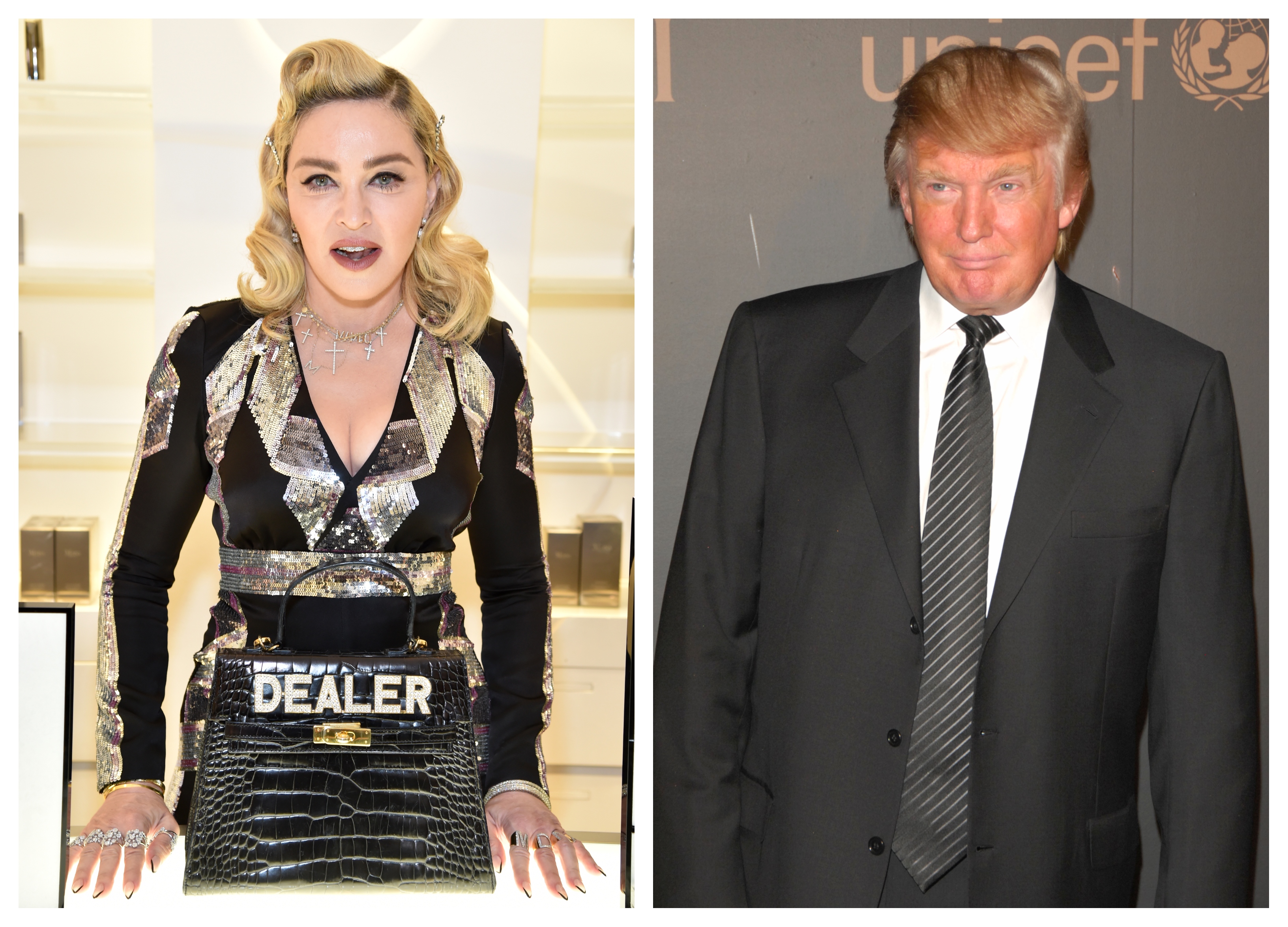
Now, with news that Donald Trump, certainly a man who possessed a corporate-made image, will announce his 2012 presidential run on ‘The Apprentice,’ it seems Kosinski’s observations on the synthesis between appearance and political culture have become more true than even he could have predicted.

Sure, Trump’s not as attractive as Chance — played by the disarmingly handsome Peter Sellers in the 1979 big screen adaptation — and definitely has a better education, but he’s made an image for himself, one projected for decades through our televisions and tabloids, and voters’ apparent interest in his candidacy, as I said yesterday, suggests that the rationality and reason upon which our nation was built have been bulldozed by a popular culture obsessed with capitalist idolization and easily digestible catchphrases like, “You’re fired.”

This theme has been explored countless times in American culture — two terrible 2006 movies ‘Man of the Year’ and ‘American Dreamz’ come to mind — yet the trend continues unabated, and I can’t help but wonder whether it will lead to the once-celebrated democratic system’s ultimate cancellation. Instead of holding elections, we’ll hold pageants shows sponsored by Coca-Cola.

  1. April 15, 2011 at 5:32 pm, john charles webb jr said:

    Being There !
    - Part 1 of 9
    (plus the rest)

    http://www.youtube.com/watch?v=-706znFaqHY

    ambiguity and genius
    ………………….are lovers !

    Reply

Add New Comment

Showing 1 comments
Subscribe by RSS